
The many charms of growing up in a Central Valley town named Davis
The town and campus were one vast playground for a kid with a bike and a baseball glove

When we moved here from Portland so Dad, age 40, could continue his college education that was interrupted by World War II, the population of Davis in the previous year’s official U.S. census was 3,554.
UC Davis’ undergraduate enrollment was 1,029.
Dad and Mom and their five kids helped the town grow, given that a brand new 3-bedroom, 1-bath Oeste Manor home on the far western edge of town could be purchased for - are you sitting down? - $9,250.
Break that up into a 30-year mortgage and home ownership was readily available even to a hungry family of seven.
All the kids had their own bed, but none of us had our own bedroom. Oh the hardship of sharing a 10-by-8 room with my older brother. Then again, my three sisters had to share a bedroom of exactly the same size.
To say we were a “close” family was an understatement.
In my mind, our new hometown was absolutely the perfect size.
I could ride my bike the mile or so to my first classroom at Central Davis School.
I could get a maple bar at the Vienna Bakery or an ice cream cone at Foster’s Freeze. George the Barber could cut my hair. Father Degnan made sure we came to Mass on Sunday morning.
I could play Little League baseball on the star-thistle-infested dirt lot along 8th Street where the Mormon church now stands in the looming shadow of that massive steel-gray West Davis water tower.
Dad even let me fudge my age by two weeks given that to play ball you had to be eight years old by August 31 and my birthday wasn’t until September 12.
Good thing Catholics believe in Confession.
“Bless me Father, for I have sinned. I lied about my age by a lousy 12 days.”
Our Little League team was so bad at actually playing baseball that each parent volunteered to coach us for just one week and would then hand off duties to the next parent and so on until the season mercifully ended.
We were the Terrible Tigers, and we lived up to the name.
But there was so much more than baseball in our young lives.
We could swim all afternoon for a dime at the Hickey Gym pool on campus.
That pool had a massive “Tower” that appeared to be at least 100 feet tall to our young eyes.
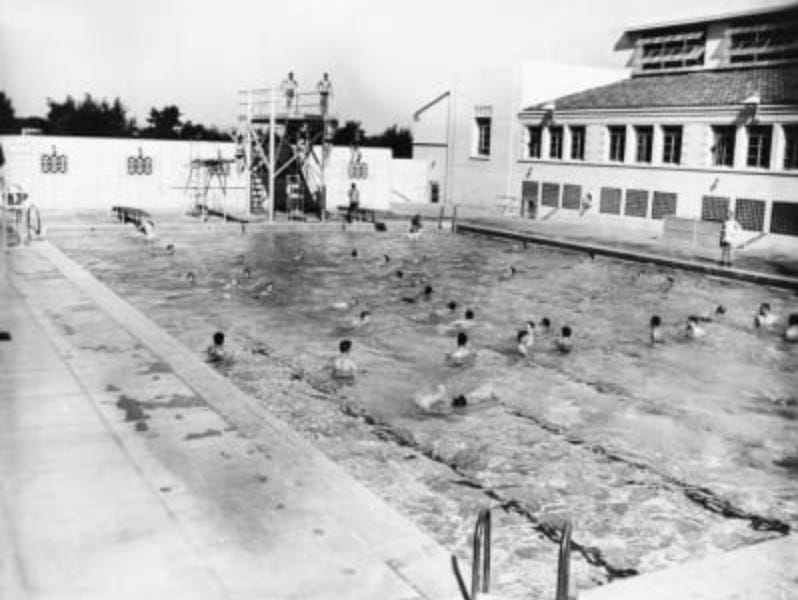
It was a rite of passage to one day climb up the long ladder to the Tower platform, work up your courage and finally leap into the deep blue water below.
We could wander through that same campus’ abundant farmland and marvel at the watermelons and strawberries and asparagus and tomatoes and walnuts and artichokes that the world’s most talented professors were studying.
We could buy groceries at State Market, fill prescriptions at Quessenberry Drug, watch 21 cartoons at the Varsity Theatre and call Jake the Plumber when the toilet stopped up.
There was even a noon whistle that blew loudly every day just in case you forgot that it was time to eat lunch.
Our phone number was 686, and we shared that party line with seemingly everyone in town.
Our only greenbelt was the Davis Cemetery.
If we got sick, doctors Cooper, Vaughn, Larkey and Jones still made house calls.
We had Miss Montgomery to teach us reading, writing and arithmetic. Our class could take fabulous field trips to the State Capitol and Sutter’s Fort and the Sutter Buttes and the site where they first discovered gold in California.
From our backyard, we could see the sun slowly set behind the Putah Hills because ours was the westernmost home in town until the new subdivision filled in.
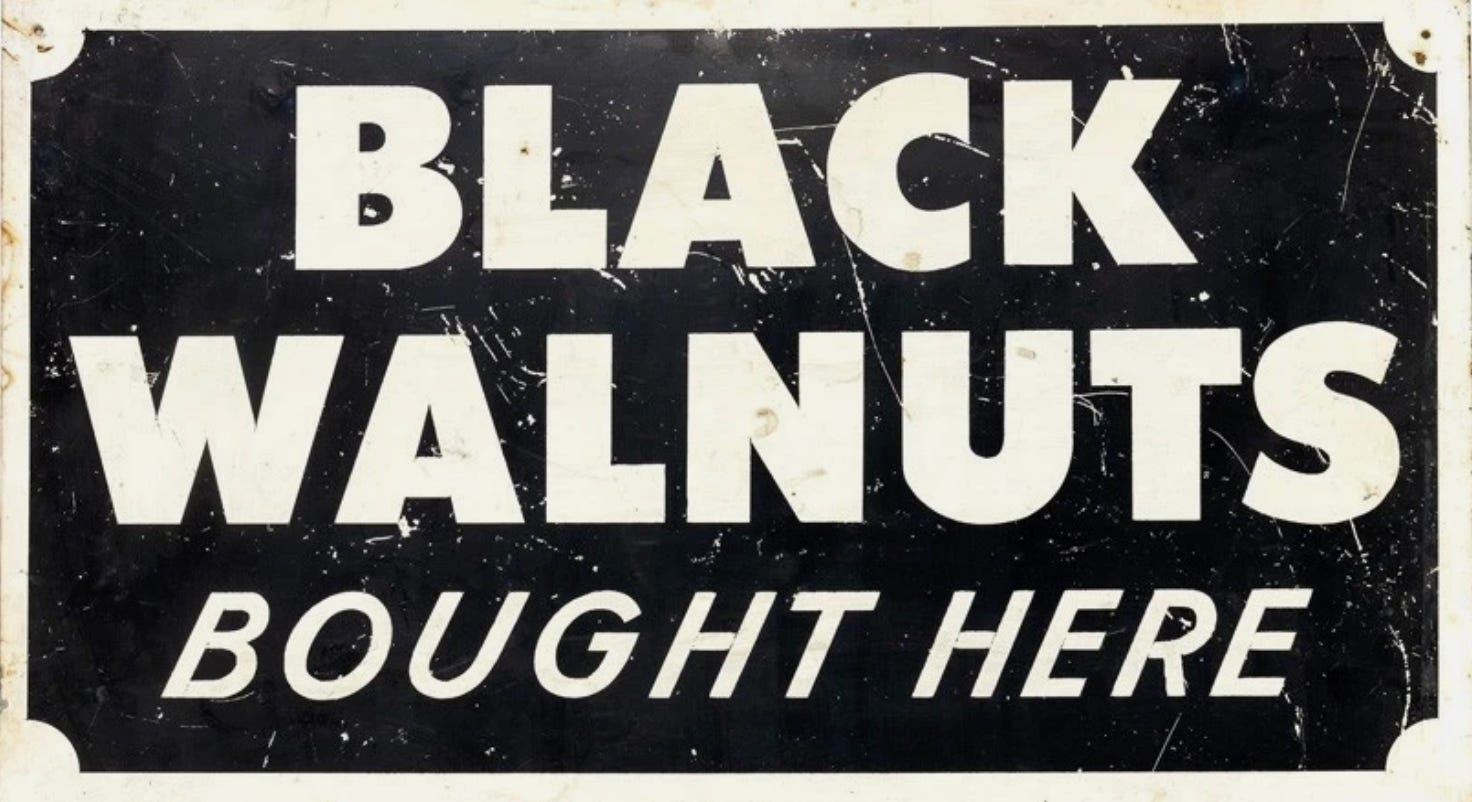
We could earn spending money filling gunnysacks with the native black walnuts that grew all around town and sell them for a dollar a sack at the Donnell Brothers feed store downtown.
Our folks could fill up our Ford station wagon at Al Hatton’s Chevron or Joe Truffini’s Flying A, we could get our lawnmower repaired at Del’s Fix-It and our town was just big enough to have its own public library.
If I was lucky, Dad would occasionally take me across the Causeway to Edmonds Field to watch the Sacramento Solons take on the Portland Beavers in the old Pacific Coast League of Triple-A baseball.
If you’d told me then that the New York Yankees and the St. Louis Cardinals would one day be showing up to play Major League Baseball in Yolo County, I’d have probably died on the spot.
The California Aggies played football at Toomey Field and basketball in Hickey Gym, and win or lose, they were the local heroes I admired.
We didn’t have an In-N-Out, a Chipotle or a Cane’s. But you can’t miss what you don’t even know exists.
The previous U.S. census, taken little more than a decade prior to our arrival, listed Davis’ population as 1,672.
Thus, Davis had more than doubled in size in the 10-year period just before we settled into our warm and cozy Oeste Manor home on Campus Way.
It was clearly time to stop the growth.
We arrived to Davis in 1950, having lived in Woodland. My Papa worked at Woodland Spreckles sugar company. My Mamá wanted to attend UCD and become a teacher. So my Papá bought a duplex for $12,000.We lived in one unit and rented the other in East Davis on J street. They had 5 kids,too. We also crammed into small quarters until my parents added another bedroom. I remember all the places you mentioned, plus the Spudnut Cafe and the Blue and Gold. Maybe they came later in that decade. Thanks for describing our sweet cozy Davis.
Bob, thanks for the great memories - love your columns. Small town Davis was truly a special, friendly, caring, and wonderful place for families to spend their lives.